Fabric lightbox or acrylic lightbox: which should you choose? The answer depends on the job you want the illuminated sign to do. A fabric lightbox, often built around a silicone-edge graphic (SEG) that fits into a tensioned frame, is especially useful for large images and campaigns that change. An acrylic-faced LED lightbox is usually a stronger starting point for a permanent business name or smaller projecting sign where the face construction and mounting need to suit the site.
Neither format is automatically brighter, cheaper or more weather-resistant. The size, LED layout, graphic material, electrical system and installation conditions matter more than the label alone. This Malaysia-focused comparison explains what to check before ordering a shop display in Shah Alam, Selangor or elsewhere in the Klang Valley.
Fabric lightbox vs acrylic lightbox: quick comparison
| Feature | Fabric LED lightbox | Acrylic LED lightbox |
|---|---|---|
| Typical display face | Tensioned, light-diffusing printed textile, often SEG | Rigid translucent acrylic sheet, with suitable graphics |
| Useful applications | Retail promotions, exhibitions, large interior graphics | Shop names, fixed branding, projecting or wall-mounted signs |
| Changing artwork | Often designed for straightforward face replacement | Depends on the frame and graphic application; may take more work |
| Image detail | Suitable for large photographic graphics with correct fabric and printing | Suitable for logos, lettering and permanent graphic faces |
| Thickness and framing | Often an aluminium extrusion system sized for the fabric edge | Rigid frame or box design supporting a solid face panel |
| Outdoor use | Only when the complete system is specifically designed and rated for exposure | Only when the complete system is appropriately built for outdoor exposure |
| Maintenance | Fabric tension, graphic replacement, LED access and cleaning | Panel cleaning, mounting, LED access and weather sealing where relevant |
This is a construction and use-case comparison—not a claim that one product performs identically across every manufacturer.
How does a fabric LED lightbox work?
A fabric lightbox illuminates a specially printed fabric face from behind or around the frame using LEDs. Many professional systems use a silicone-edge graphic (SEG): a narrow silicone strip sewn around the fabric slides into a matching groove in the aluminium frame. Correctly measured and tensioned artwork can create a relatively smooth illuminated image without a rigid acrylic sheet over the entire front.
Fabric systems are popular where marketing messages change frequently. A retailer might replace a seasonal image while reusing the frame and lighting. The printed graphic still needs to match the frame size precisely and allow even light transmission; a normal piece of fabric is not interchangeable with a specified backlit display textile.
The frame, printed textile, LEDs, power supply, diffuser arrangement and installation method need to be compatible. Ask the supplier how the graphic is removed, who can replace it and whether the LEDs are front-serviceable or accessed from the rear.
How does an acrylic LED lightbox work?
An acrylic lightbox uses a rigid, light-transmitting acrylic face supported by a box or frame. LEDs within the housing illuminate the face; depending on the design, they may be mounted behind the panel or in a carefully engineered edge-lit arrangement. Suitable diffusion reduces visible bright spots and helps the lettering or graphic look even.
Some acrylic lightboxes use translucent coloured acrylic; others combine a face panel with printed graphics or translucent vinyl. A permanent shop name may be designed to remain in place for years, but replaceability depends on the construction. Do not assume that all rigid-face lightboxes are sealed permanently—or that replacing every acrylic face is easy.
For custom shop signs, see Elite Sign’s LED lightbox signboard service. That service page handles design and fabrication enquiries; this guide focuses on choosing between display technologies.
When a fabric lightbox makes more sense
Frequent campaign or graphic changes
Fashion retailers, trade-show exhibitors and shopping-centre displays may need new artwork several times a year. If the frame is designed for removable SEG graphics, a replacement can be simpler than changing a rigid panel. Plan where the removed graphic will be stored and whether replacement should be performed by staff or a signage contractor.
Large photographic visuals
A broad, high-resolution image can be effective on a tensioned textile face, particularly in controlled indoor conditions. The graphic has to be printed with the correct colour profile and light transmission for backlighting. Test skin tones, white areas and dark details under illumination rather than checking the unlit print alone.
Indoor display systems with controlled access
Where a wall or exhibition frame is protected from direct weather, fabric lightboxes can offer flexible merchandising. The frame still needs secure installation and electrical protection suited to the premises. In public areas, any fire-performance requirements for materials should be checked against the applicable building or venue specification.
When an acrylic lightbox may be a better fit
A relatively permanent business name
For a shopfront sign with a stable logo and opening hours, a rigid-face construction may suit the desired size, mounting and finish. It can also make sense where an illuminated panel must project from a wall, subject to suitable brackets and structural design.
Smaller sign formats and shaped boxes
Acrylic can be incorporated into rectangular, circular or other custom lightbox designs. The practical question is whether the face and enclosure can be made securely for that shape, not merely whether the artwork looks attractive in a digital mock-up.
Sites requiring a more protected enclosure
For some exterior settings, a rigid box with appropriate weather-conscious detailing may be easier to specify. But an acrylic face alone does not make a lightbox waterproof. The sealing, cable entries, ventilation or drainage design, fixing system and electrical components must suit the conditions.
Which type is better for outdoor lightbox signage in Malaysia?
Malaysia’s rain, heat and strong sunlight make the whole assembly important. Ask for the supplier’s specific outdoor system details rather than assuming that fabric is inherently unsuitable or acrylic is automatically weatherproof. Outdoor-rated fabric-frame systems exist, but they must be specified for wind loading, water management and the intended application. A standard indoor SEG frame should never be treated as an outdoor shopfront product merely because it uses aluminium.
The same caution applies to acrylic signage. Face material, frame joints, drivers, wiring and maintenance access all contribute to outdoor performance. Installation height and the surrounding building also affect the mounting approach. Confirm whether building management or the local authority needs to approve the sign before manufacturing the final size.
How does light quality differ?
Both formats can achieve an evenly lit appearance when designed properly. Visible LED hot spots, shadows and uneven colour usually point to issues with module spacing, panel or fabric diffusion, enclosure depth, or print density rather than a simple fabric-versus-acrylic distinction.
For branded photographs, evaluate the lightbox after dark and in daylight. A bright-looking image viewed in an air-conditioned showroom may appear different when installed beside a sunny shop entrance. Ask for a sample or suitable demonstration if colour accuracy is critical.
If you want more detail on the basic electrical and optical arrangement, read our LED lightbox construction guide.
Does a fabric lightbox cost less than acrylic?
Not necessarily. The price depends on frame size, extrusion specification, lighting design, graphic production, installation and whether the customer needs repeated artwork replacements. A fabric system can be attractive when the same frame is reused for multiple campaigns. An acrylic-faced sign may be simpler when the business name will rarely change.
Compare the total cost of ownership, not just the first fabrication quote: include initial assembly, power supply, access for maintenance, any replacement graphics, and the cost of installing or removing the display. Our LED lightbox price guide for Malaysia discusses quotation factors in more depth.
Which works best for different businesses?
| Business need | Starting point | Why |
|---|---|---|
| Retail store changing seasonal campaigns | Fabric/SEG lightbox | Artwork can be replaced while the frame remains |
| Permanent shopfront name | Acrylic-faced lightbox | Rigid enclosure suited to fixed branding, subject to site specification |
| Exhibition stand | Fabric lightbox | Large backlit prints and modular display systems are common |
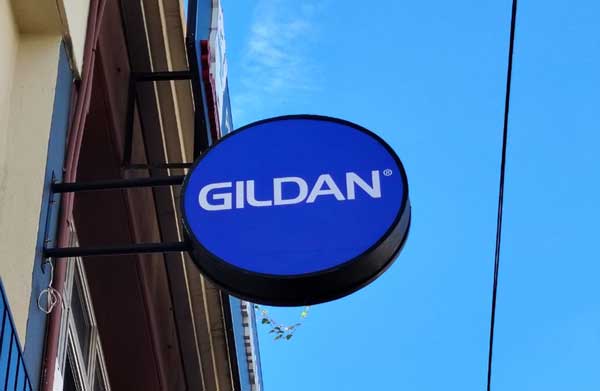
| Small double-sided projecting sign | Custom rigid-faced lightbox | Mounting and enclosure design can be planned around the projecting format |
| Large interior photographic feature | Fabric lightbox | Useful for a continuous printed graphic when light transmission is specified |
| Restaurant entrance branding | Depends on logo, placement and opening hours | Visibility and enclosure conditions matter more than face material alone |
These are general starting points for evaluating a sign—not a universal statement that every shop should buy a specific product.
What to ask before requesting a quotation
- Where will it be installed? Indoor, covered walkway, or fully outdoors exposed to wind and rain?
- How often will artwork change? Once every few years or several times per season?
- What is the finished size? Include viewing distance, available wall space and any projecting depth.
- How will it be maintained? Can the face or graphics be replaced without taking down the entire frame?
- What lighting is specified? Ask about uniformity, LED drivers, access and suitable electrical protection.
- What is included? Confirm artwork, printing, frame, face, wiring, installation, access equipment and any removal work.
- Is the product suitable for the building? Confirm landlord rules and any PBT signboard approval requirements.
A good supplier should help compare the construction against these questions rather than recommending a product simply because it appears in a catalogue.
Choosing an LED lightbox supplier in Shah Alam or Selangor
For a custom illuminated shop sign, share a clear photograph of the installation area, logo artwork, approximate dimensions, and whether the graphic needs regular replacement. Explain whether the sign is wall mounted or projecting, and whether customers view it from one or both directions.
Elite Sign designs, makes and installs custom LED lightbox signage for businesses in Shah Alam and surrounding areas of Selangor. The team can discuss which options are practical for the project; availability of any specialised fabric/SEG construction should be confirmed during the quotation rather than assumed.
Send your brief to Elite Sign with the site photos and required size for a project-specific discussion.
Frequently asked questions
Can you change the graphic on a fabric lightbox?
Many fabric/SEG systems are designed for artwork changes, provided a replacement graphic is made to the exact specification of the frame. Confirm replacement procedures and access before ordering.
Is an acrylic LED lightbox waterproof?
Not simply because its face is acrylic. Outdoor suitability depends on the full enclosure, electrical protection, cable entries, mounting and installation quality.
Is a fabric lightbox brighter than an acrylic lightbox?
Neither type is automatically brighter. LED specification, diffuser design, display size and face material determine the visual result. Compare actual samples with the intended graphics.
Which lightbox is easier to maintain?
It depends on how the face opens and how the electrical components can be accessed. Fabric may simplify graphic changes; a rigid-face design may be suitable for branding that rarely changes.
Can both types be installed outdoors in Malaysia?
Only when the exact product is designed for outdoor conditions and any required approvals are obtained. An ordinary indoor display should not be installed outdoors without a suitable specification.